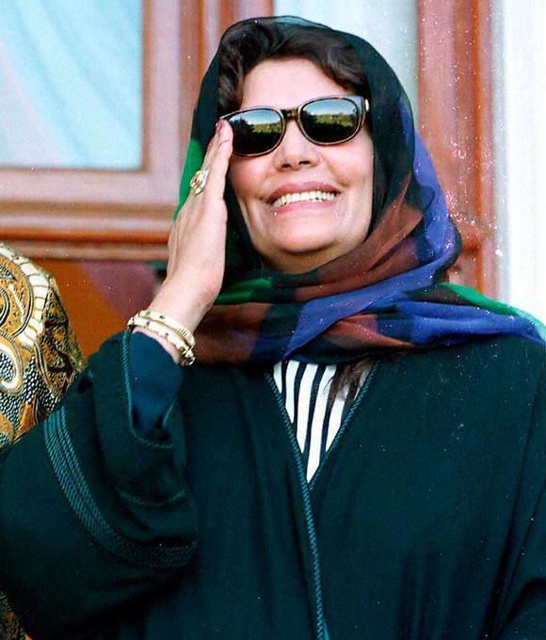
Critics, however, see her as emblematic of the privilege enjoyed by the ruling elite, particularly in contrast to the economic hardships faced by ordinary Libyans. This divided perception mirrors the broader national debate over how to interpret the Gaddafi era and its legacy. International media coverage of Safia Farkash has been sporadic and largely tied to legal or financial developments rather than personal revelations. She has rarely appeared in photographs or video footage since 2011, and reliable information about her daily life remains scarce.
This absence has only increased public curiosity, with reports often relying on unnamed sources or legal documents rather than direct testimony. Her discretion has helped her avoid the intense scrutiny faced by other members of the Gaddafi family, reinforcing her reputation as a figure who values privacy above public influence. Safia Farkash Gaddafi’s story is inseparable from Libya’s modern history. From her early life as a nurse to her role as the matriarch of one of the Middle East and North Africa’s most powerful families, her life reflects both the personal and political dimensions of authoritarian rule.