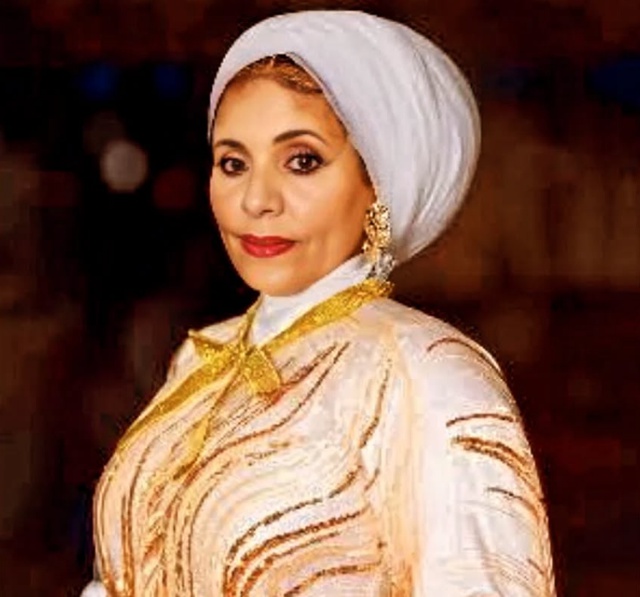
Exile also meant navigating unfamiliar legal systems and diplomatic environments. Her case became part of broader international debates over collective punishment, due process, and the rights of family members of former leaders. Safia Farkash’s background as a nurse has often been cited in discussions about her interest in healthcare and humanitarian issues. While concrete details about her post-2011 charitable activities are limited, earlier accounts suggest she supported medical initiatives and welfare programs, particularly those involving women and children.
Following the conflict, humanitarian arguments were sometimes raised by legal representatives to allow her access to funds for medical care and basic living needs. These cases underscored the human dimension of sanctions regimes and the challenges of balancing justice with humanitarian considerations. The question of Safia Farkash Gaddafi’s assets remains part of a broader, unresolved international legal landscape. Determining which assets belonged personally to her, which were family-held, and which were linked to the Libyan state has proven legally complex.