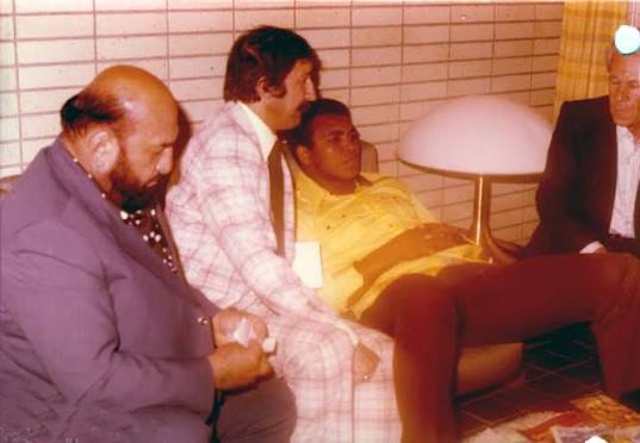
By then, he had become more than simply a participant in a political confrontation. He had become a cultural symbol representing the intersection of traditional Tehran, street politics, royalism, and the turbulent history of twentieth-century. His legacy remains deeply contested. Supporters of the monarchy have sometimes portrayed him as a loyal patriot who stood against political extremism and defended the Shah.
Critics have viewed him as an example of the use of organized street violence and informal social networks in the overthrow of a democratically elected government. The historical importance of Shaban Jafari ultimately lies not only in determining exactly what he did on August 19, 1953, but also in understanding the broader social world that made his political influence possible.