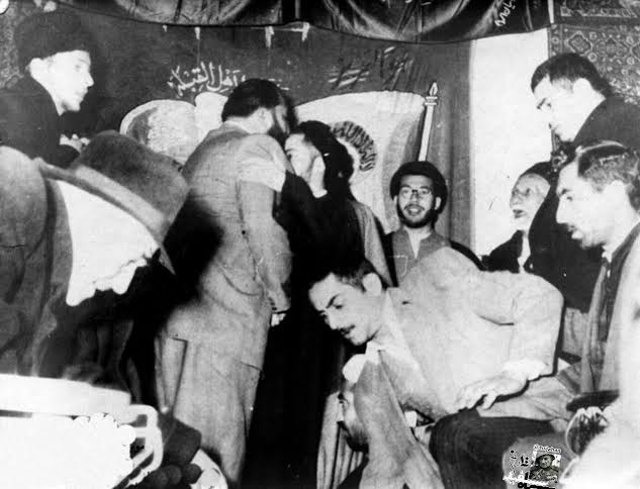
His life demonstrates how traditional institutions such as the zurkhaneh, neighborhood networks, religious culture, and street leadership could intersect with national politics at moments of extraordinary crisis. The story of Shaban Jafari therefore cannot be separated from the larger history in the 1950s: the struggle over oil nationalization, the conflict between Mosaddegh and the Shah, foreign intervention, the role of the military, the influence of political and religious networks, and the emergence of a more centralized monarchy after 1953.
For this reason, Jafari continues to occupy a controversial place in historical memory. His name evokes radically different interpretations of the same events, making him a useful—if highly contentious—window into the political and social tensions that shaped modern.