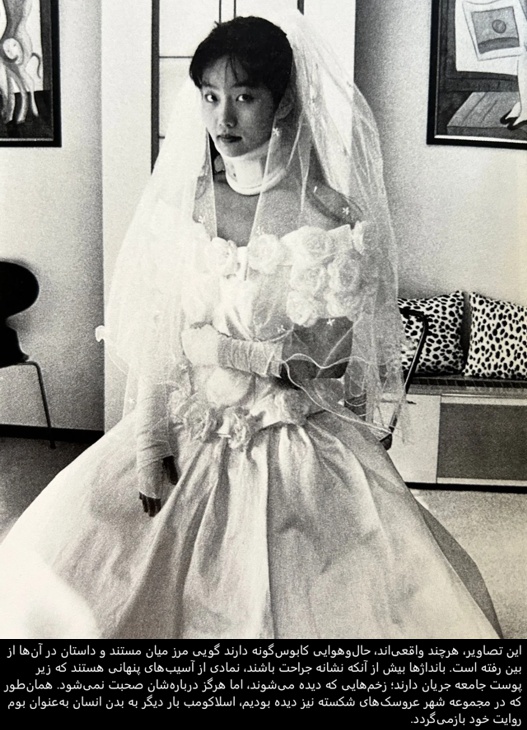
Equally significant is the atmosphere created through Slocombe’s photographic language. The harsh black-and-white tonal range, pronounced film grain, wet asphalt reflecting scattered light, and the continual presence of transparent umbrellas establish a visual world that recalls classic film noir as well as Japanese psychological cinema. Rain is more than weather; it becomes an emotional condition. Umbrellas cease to be practical objects and instead suggest fragile personal boundaries—temporary shelters separating individuals from an indifferent urban environment while never fully protecting them from it.
The photographs also reveal Slocombe’s remarkable sensitivity to gesture. A lowered gaze, a hesitant step, hands disappearing into coat pockets, or the slight tilt of a head become psychologically charged moments. Rather than searching for dramatic action, he constructs meaning through stillness. His subjects rarely acknowledge the camera, allowing the viewer to observe moments that feel profoundly intimate despite occurring within public space. This tension between intimacy and anonymity forms one of the book’s central emotional achievements.