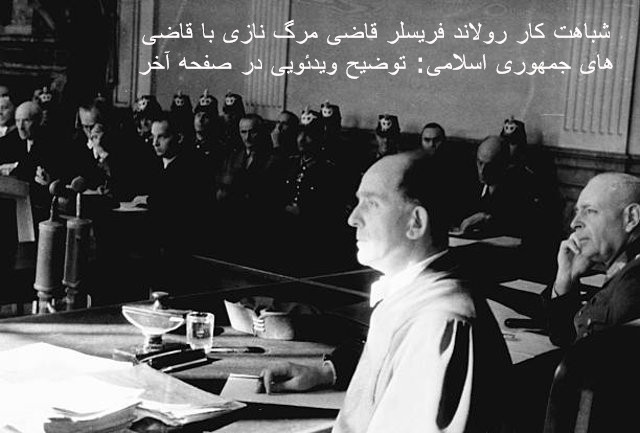
A judge is to be impartial, fair an unbiased and to follow the laws of the state they are in and the United States Constitution and the Constitution of whatever state they are in. To listen to all evidence without passing judgment until all is heard, In cases with a jury, the judge is responsible for insuring that the law is followed, and the jury determines the facts. In cases without a jury, the judge also is the finder of fact. Judges must also recognize that justice means more than just interpreting the law — they must also show compassion and understanding for the people on both sides of the case.
The judge may give the judgment in the case at the end of the trial or they may “reserve” the judgment. When a judgment is reserved, the judge will take time to consider the case and then at some later stage deliver the judgment. If there is a jury in the case, it is usually the jury that decides the outcome of the case. The judge provides guidance to the jury and makes sure that the trial is run properly. The jury in a trial has the very important function of deciding whether the person accused of the crime is guilty or not guilty.