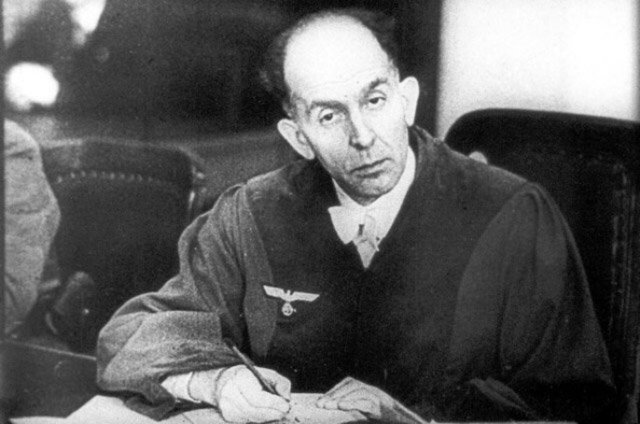
Some judicial assistants are assigned to the work directly with judges of the Supreme Court, Court of Appeal, High Court and Circuit Court. Assistants assigned to specific judges assist the judge with research, preparing for cases, proof-reading and communicating with the parties to a case. They also combine the role of judicial assistant with that of the traditional tipstaff or crier. Other judicial assistants are assigned to the Judicial Research Office (JRO), which is a pool of assistants available to judges without a designated judicial assistant.
The JRO undertakes research, preparation of material for publication, preparation and updating of handbooks, and proof-reading of judgements and other documents for judges across all jurisdictions. Judges also ensure that cases are conducted following the rules of court and the rules dealing with evidence that can be used. These rules do more than ensure that court proceedings run smoothly – they also help to protect the rights of individuals before the courts and promote fairness. A judge will help ensure that both sides get a fair opportunity to present their case and act as an independent and impartial decision-maker. After a judge has decided the outcome of the case they will determine the sentence, in criminal matters, or the remedy in civil cases.