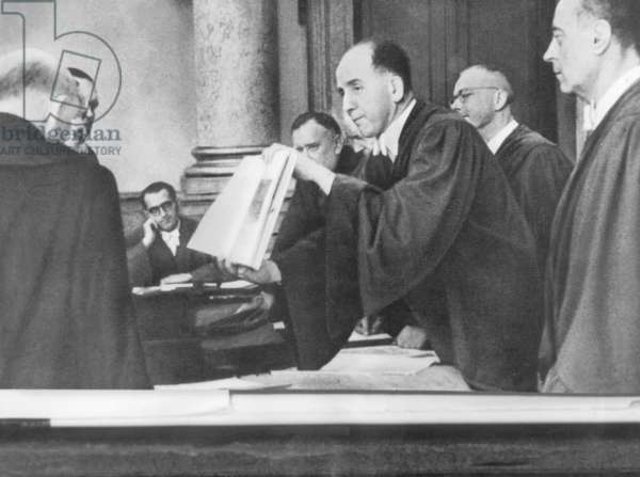
The judge may give the judgment in the case at the end of the trial or they may “reserve” the judgment. When a judgment is reserved, the judge will take time to consider the case and then at some later stage deliver the judgment. If there is a jury in the case, it is usually the jury that decides the outcome of the case. The judge provides guidance to the jury and makes sure that the trial is run properly. The jury in a trial has the very important function of deciding whether the person accused of the crime is guilty or not guilty.
Judges in Ireland are appointed by the President acting on the advice of the Government. In most cases, the Government decides who to appoint as a judge after it has been advised by the Judicial Appointments Advisory Board. This Board identifies and informs the Government about suitable barristers and solicitors who have applied for the job. The Judicial Appointments Advisory Board was established by law under Section 13 of the Court and Court Officers Act 1995. Membership of the Judicial Appointments Board consist of the Chief Justice, President of the Court of Appeal, President of the High Court, President of the Circuit Court, President of the District Court, the Attorney General, a practicing barrister, solicitor and 3 Ministerial appointments.