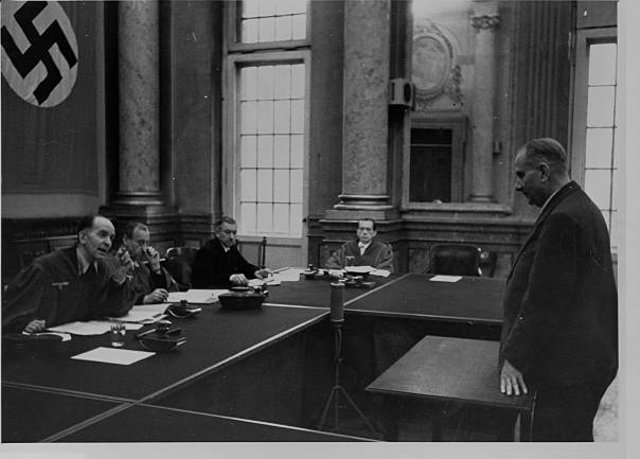
Judges also ensure that cases are conducted following the rules of court and the rules dealing with evidence that can be used. These rules do more than ensure that court proceedings run smoothly – they also help to protect the rights of individuals before the courts and promote fairness. A judge will help ensure that both sides get a fair opportunity to present their case and act as an independent and impartial decision-maker. After a judge has decided the outcome of the case they will determine the sentence, in criminal matters, or the remedy in civil cases.
Judges must provide reasons for their decisions. Sometimes judges will explain their reasons in court at the same time they give their decision on the case. Other times judges will give their decision in court at the end of the case but provide the reasons for their decision in a written decision at a later date. Judges may also provide oral reasons in court and a written decision at a later time. In cases where there is a jury, the judge ensures that the rules are followed and that only proper evidence is heard. The jury decides which facts to believe and makes the decision in the case based on instructions from the judge.