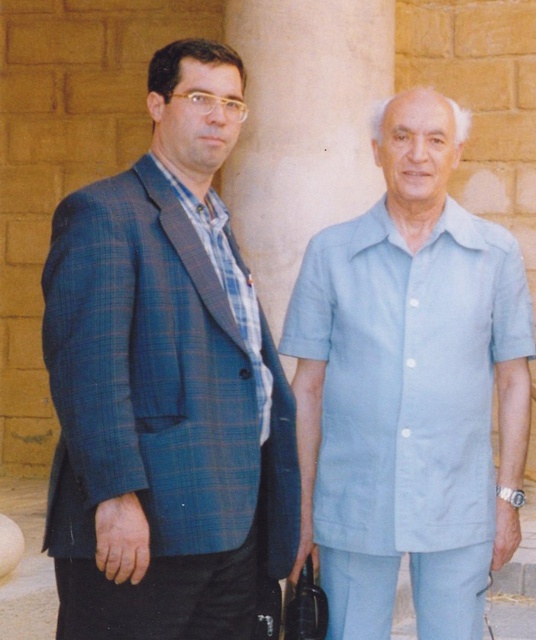
He lent his voice to a wide range of characters—from stoic heroes and tragic figures to comedic and animated roles. What set him apart was his incredible adaptability: he could portray strength, sorrow, wit, or fear simply through intonation and phrasing. For many his voice became more recognizable than the faces on screen. Beyond dubbing, Ghanbari also contributed to radio plays and audio dramas, which were extremely popular during the pre-revolutionary era. These productions were essential cultural fixtures in households, and Ghanbari’s presence in them elevated their status and artistic credibility.
His publications and recordings now serve as important references for musicologists, students, and fellow performers. Institutions such as the House of Music and various cultural preservation groups have referenced his work in efforts to safeguard intangible musical heritage. More than a decade after his passing, Hamid Ghanbari’s name still evokes respect and admiration among artists and cultural scholars. His contributions are often cited in documentaries and scholarly texts on music and cinema. His style of tombak playing is studied by new generations, and his voice continues to echo in the dubbed films that remain part pop culture history.