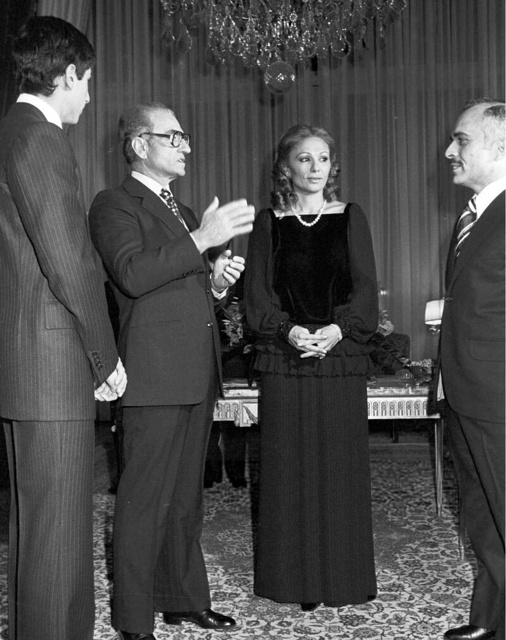
During the 1958 Iraqi Revolution, which overthrew Jordan’s Hashemite cousins, Hussein and the Shah strengthened their coordination. Expressed solidarity with Jordan as Baghdad fell to anti-monarchy forces. The Shah also favored Jordan’s moderate stance in the Arab League, viewing it as a counterweight to radical regimes in Egypt, Syria, and Iraq. After the Six-Day War, Jordan suffered territorial losses and political isolation. Stepped up its diplomatic engagement, reassuring Hussein that moderate states still supported his rule.
One of the most critical moments in Jordanian relations came in 1970. When the PLO challenged Hussein’s authority, the Shah supported the king’s effort to restore control. The Shah reportedly warned Syria against further intervention in Jordan, signaling support for Hussein’s sovereignty. This cooperation reflected their shared concern about revolutionary movements. The Shah’s government saw supporting Hussein’s economy as a way to stabilize Jordan and counter pressures from radical Arab states.