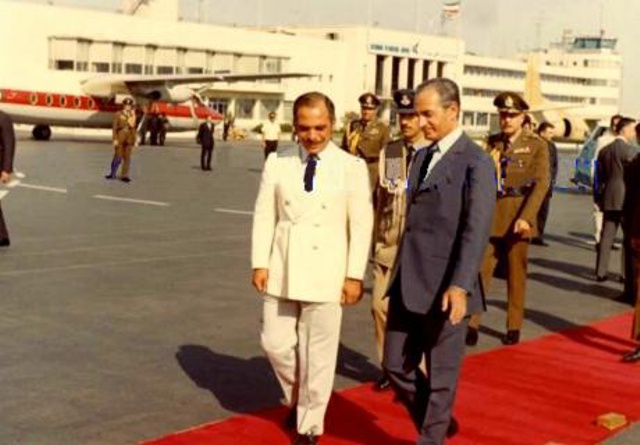
These interactions helped portray and Jordan as modernizing monarchies that embraced social development while maintaining traditional identity. Jordan observed events with concern. King Hussein reportedly advised the Shah to implement reforms more cautiously. Hussein attempted to mediate discreet communications between the U.S., and Arab states. Despite these efforts, the revolution accelerated.
It exemplified the “conservative monarchic axis” of the Cold War Middle East. It shaped the balance of power during major conflicts like the 1967 War and Black September. It influenced the formation of modern security cooperation networks that survive today among Arab monarchies. The revolution not only ended a bilateral relationship but reshaped the geopolitical identity of the entire region.