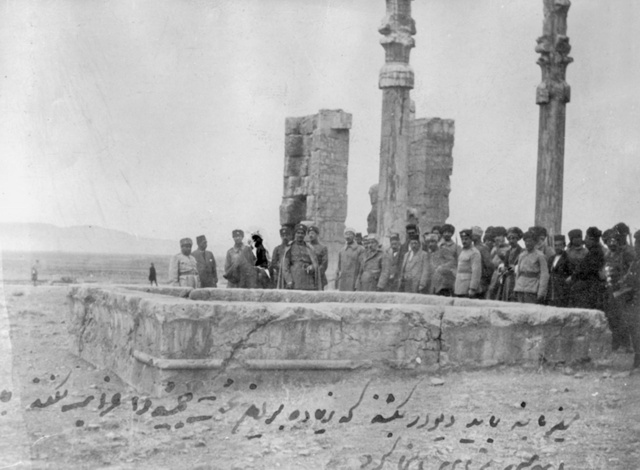
To the north, the rugged Kuh-e Rahmat (“Mountain of Mercy”) rises like a protective guardian. To the south and west, the vast Marvdasht plain stretches endlessly, once filled with royal processions, colorful tents, and celebratory gathering grounds. From this vantage point, the details of the ancient engineering become clear. The terrace was intentionally built to command the view—symbolizing a king’s responsibility to oversee his land. Even today, the panorama evokes the grandeur of an empire that connected continents.
Unlike many ancient capitals known for warfare, Persepolis was a center of diplomacy, diversity, and unity. Delegates from across the empire—India, Egypt, Babylon, Anatolia, Bactria, and beyond—traveled great distances to offer gifts and reaffirm loyalty to the Persian king. The reliefs depict them not as subservient figures, but as dignified representatives of their cultures, each wearing traditional clothing and carrying symbolic gifts.