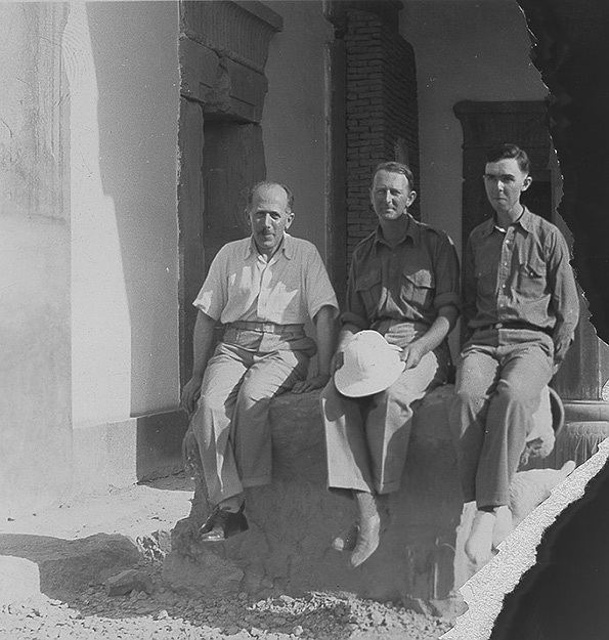
The year 1310 SH (1931–1932 CE) marked a turning point in the archaeological history of Iran. Under the early reign of Reza Shah Pahlavi, the nation entered a period of renewed attention to its ancient heritage. Archaeological missions—both Iranian and international—were active across the country, with Persepolis serving as the crown jewel of these efforts. It was during this era of discovery and cultural revival that the artifact referred to as “Homay Parsi” was excavated from the grounds of Persepolis.
While the term is not found in classical archaeological catalogs, it appears in some early reports and oral histories, used to describe a symbolic or artistic object connected to ancient Persian identity. Where Persepolis represents the grandeur of ancient power, Shiraz embodies the grace of Persian culture. After visiting the solemn ruins of Persepolis, travelers often find comfort and beauty in the gardens of Shiraz or the poetry of Hafez and Saadi. As daylight fades, the last rays of sun bathe the columns in amber light. After sunset, a canopy of stars appears over the ruins. The desert’s silence grows deeper and more profound.