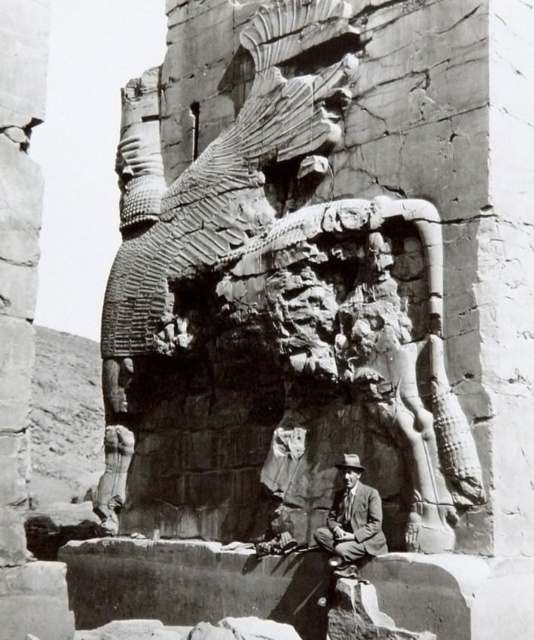
Locals once believed the ruins belonged to Jamshid, the mythological king in Ferdowsi’s Shahnameh. This is why the site is called Takht-e Jamshid (“Throne of Jamshid”). According to legend, Jamshid built a magnificent throne that touched the heavens and ruled with justice for 700 years. In medieval times, travelers unfamiliar with the Achaemenids thought the structures were the work of King Solomon and his legendary jinn. Some believed the columns were created by supernatural beings due to their size and elegance.
A common folklore says that on quiet nights, the stones of Persepolis “whisper,” mourning the fall of a once-great empire. While legend, it shows the deep emotional connection Iranians feel toward the site. Even after 150 years of construction across multiple kings, parts of the complex remained incomplete when Alexander invaded. Unlike other ancient empires, Achaemenid art avoids scenes of brutality. Instead, it depicts cooperation, tribute, and unity—reflecting the empire’s multicultural philosophy.